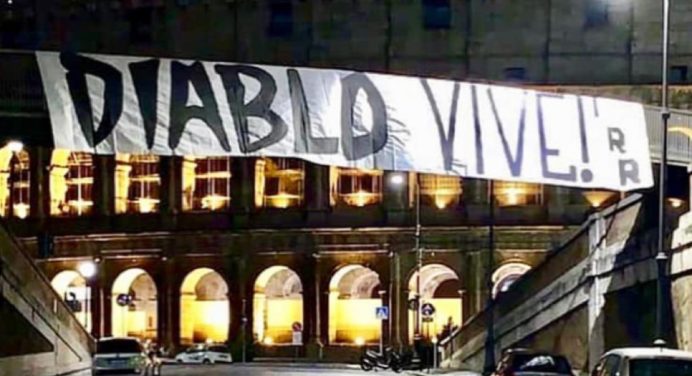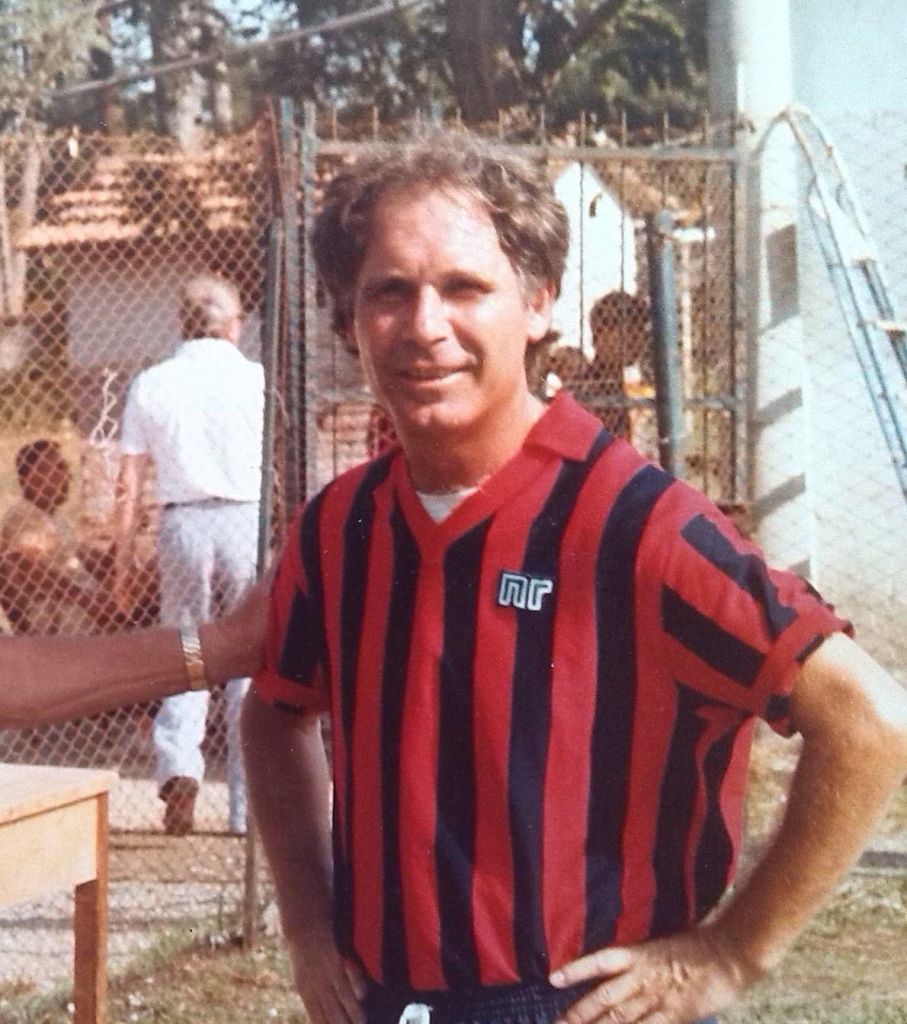
Fabrizio ‘Diabolik’ Piscitelli: Gli Irriducibili Leader & Lazio Ultra.

“The eyes, Chico, they never lie”.

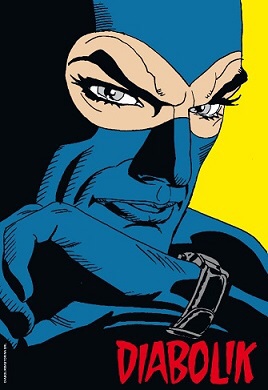
The eyes are what first associated the fearsome leader of the Lazio Ultras, Fabrizio Piscitelli, with the villainous Italian cartoon known as Diabolik. Both seemed to bear an extremely similar resemblance to each other but it was not just merely the physical resemblance that helped the nickname stick.

On deeper inspection, the actual character of Diabolik, an anti-heroic thief who was brutal and did not hesitate to murder, sounds strangely similar to the cold-hearted, fearless leader of Gli Irriducibli.

‘All roads lead to Rome’ or in this case ‘Roma’. Every part of Fabrizio’s childhood would suggest he would have grown up to be a proud Romanisti. He grew up in a Roma dominated town whereby directly across the street from him was the head of [Roma’s Ultra group] ‘The Fedayn’.

However, while he was a regular at the Stadio Olimpico from the age of 13, he was always situated in the north terrace, not the south.
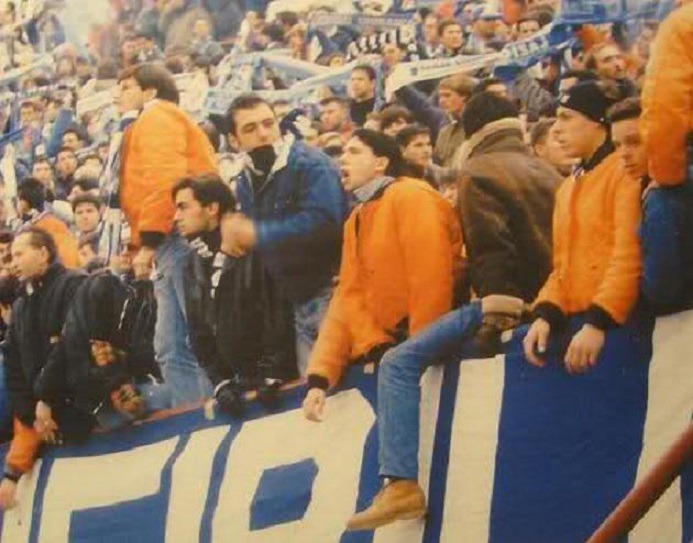

When the Irriducibili first formed in 1987, ‘Diabolik’ was only 23. In a matter of a couple of years, he had proven himself within the Ultras group and managed to get right to the top. The group became notorious around Italy as the toughest Italian Ultras. Violence on the streets before games and huge banners and displays cemented their reputation during the 1990s.

“We were a bunch of F***ing bastards basically”

The power of the group grew, to a point where the fans had more power than the board. Throughout the height of their power (with Fabrizio masterminding the group), they would regularly turn up in hundreds at Lazio’s training ground to vent their anger at their failing side and to organize regular meetings with the captain at the time, Alessandro Nesta.
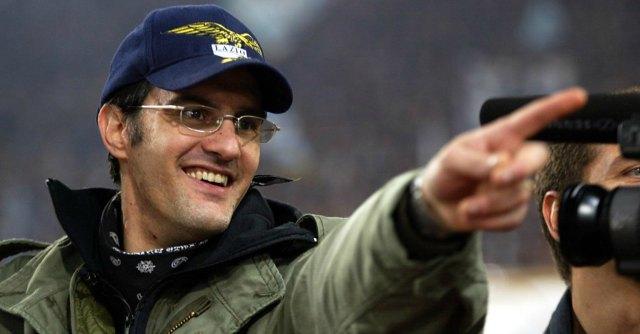
Fabrizio represented the group; he was their leader, their brains, their ‘Capo di tutti capi.’ The group itself had internal values which is another similarity to the comic ‘Diabolik’ who followed an ancient code of conduct on his many quests. However, as the years went on, the group saw itself have less of a grasp on the club and saw their power diminish along with other groups within Italy and across the globe.

Fabrizio blamed technology, moaning that the “no face, no case” attitude had disappeared with everyone taking photos for social media, along with the modern youth being more apprehensive about using violence, and finally the owners of clubs being too heavily invested in the financial aspects of the club rather than the performances and the fans.
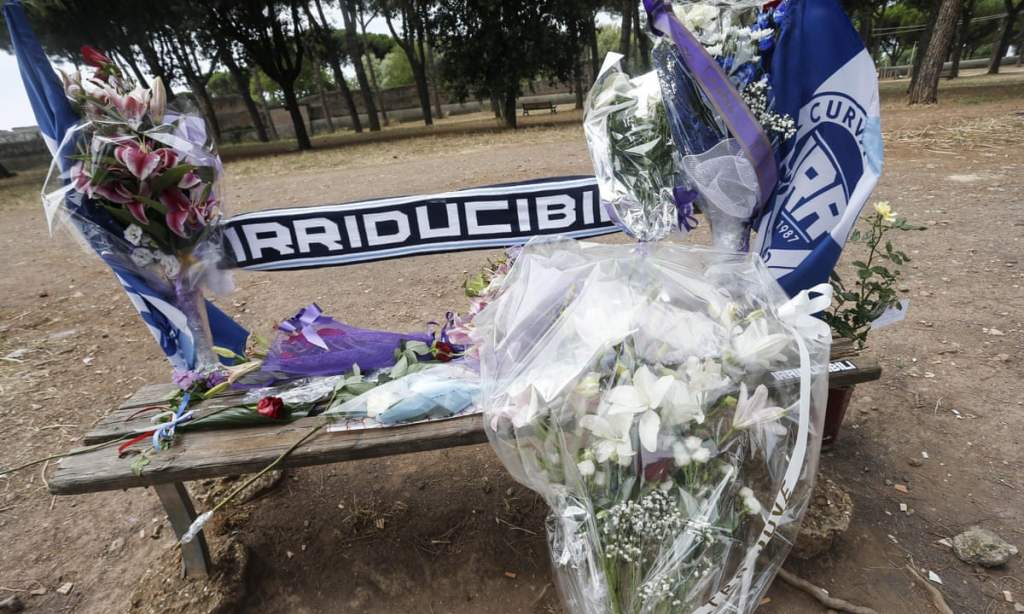
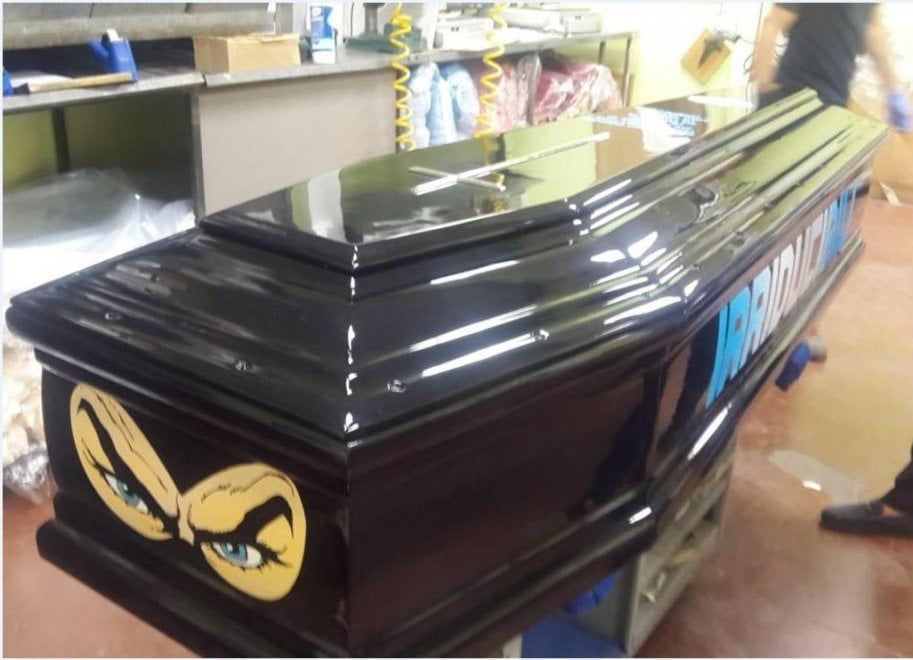
The 7th of August 2019 is unfortunately where the stories of the cartoon ‘Diabolik’ and Fabrizio have different endings. Unlike the comic where he slowly changes his ideals and principles into healthy and moral acts, Fabrizio, unfortunately, did not. He was trialled for extortion and drug trafficking, with the latter landing him behind bars. The 7th of August would be Fabrizio’s last as, whilst sitting on a bench, was shot in the back of the head in a ‘Mafia-style’ murder.
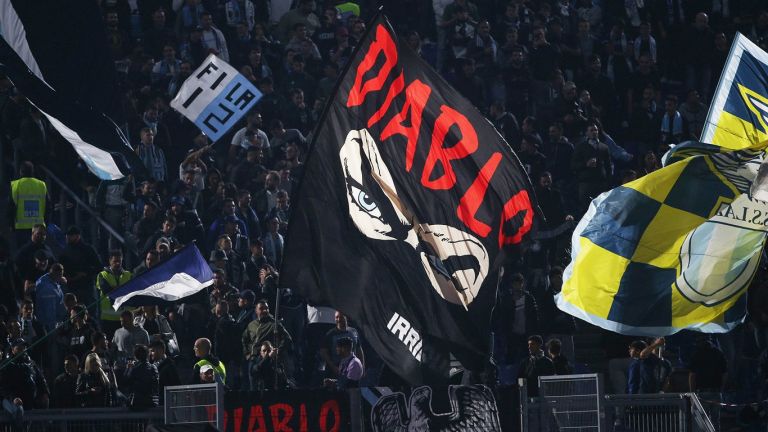
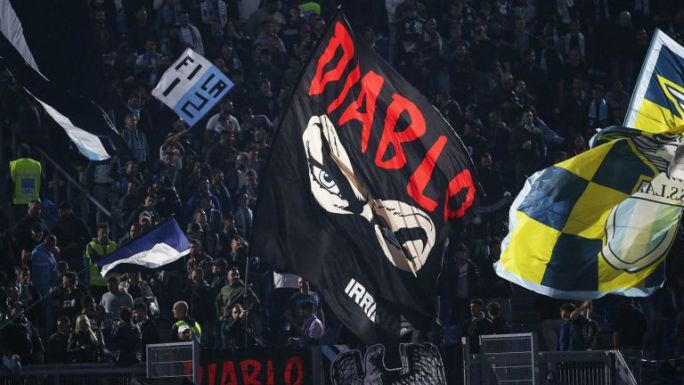
Fabrizio’s name can still be seen throughout the stadium with big banners and shirts with his name flying high every time Lazio play. The eyes of the comic he was so famously linked to are also a regularly seen design and is a memory of the great leader that once ruled over the Curva Nord, immortalized forever.

“Immortalised forever”
Nicola Raccuglia: History in Shirts

How a football shirt brand went from being crafted in an Italian convent to world domination.

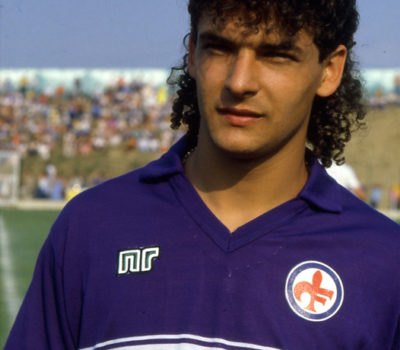
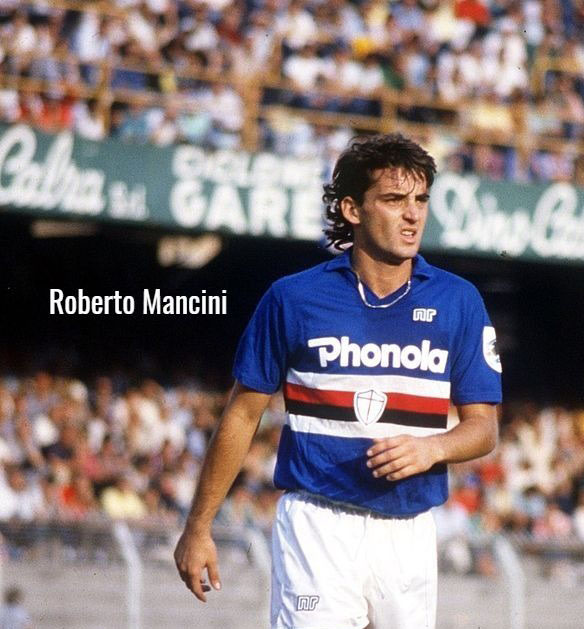
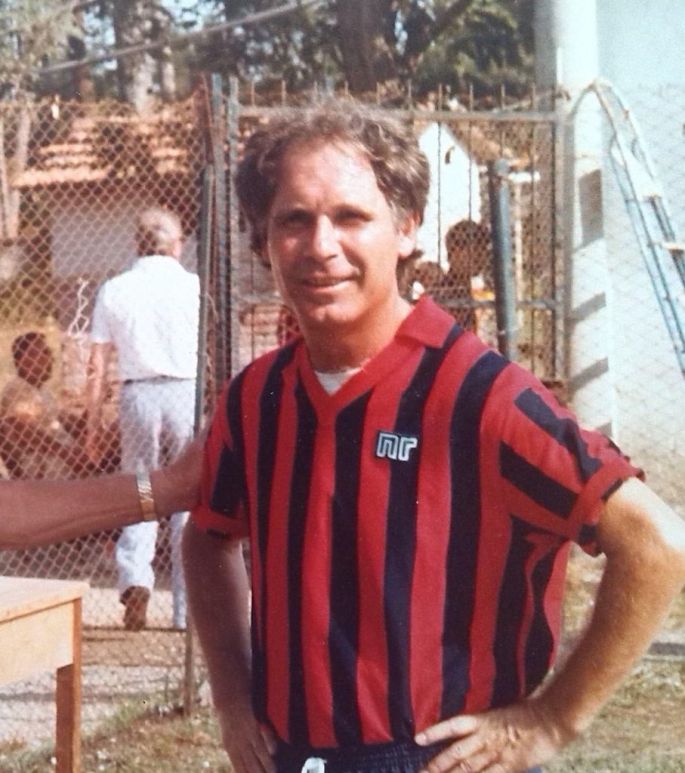
Two letters. That is all. N and R. A deep green emblazoned with a white border.

However, the history of these two famous letters, which are as recognisable as the pope in Italy, is as rich and as vast as they come. Of course, these are the initials of Italian football designer; Nicola Raccuglia.

It doesn’t come as a surprise that Nicola was involved with football before the creation of the brand and, in fact, played for many years at a variety of different clubs up and down the country including some of his finest moments at Pescara and Vicenza.

However, 1972 saw him swap the field for a slightly slower paced role as the designer of the football kits. Despite this change, the passion for the sport remained so deep; Raccuglia was determined to achieve more than he had in his average football career.

“You have to stand out from opponents, you have to dress to give colour, life, personalised expression to the shirt.

The shirt would become, for thousands of people, even millions of fans, an object of worship, almost sacred” Raccuglia had foreshadowed the importance of the shirt as the main symbol of a club. He understood how important it was to symbol the pride of different sets of Italian fans and encompass that within the ‘Maglia’.

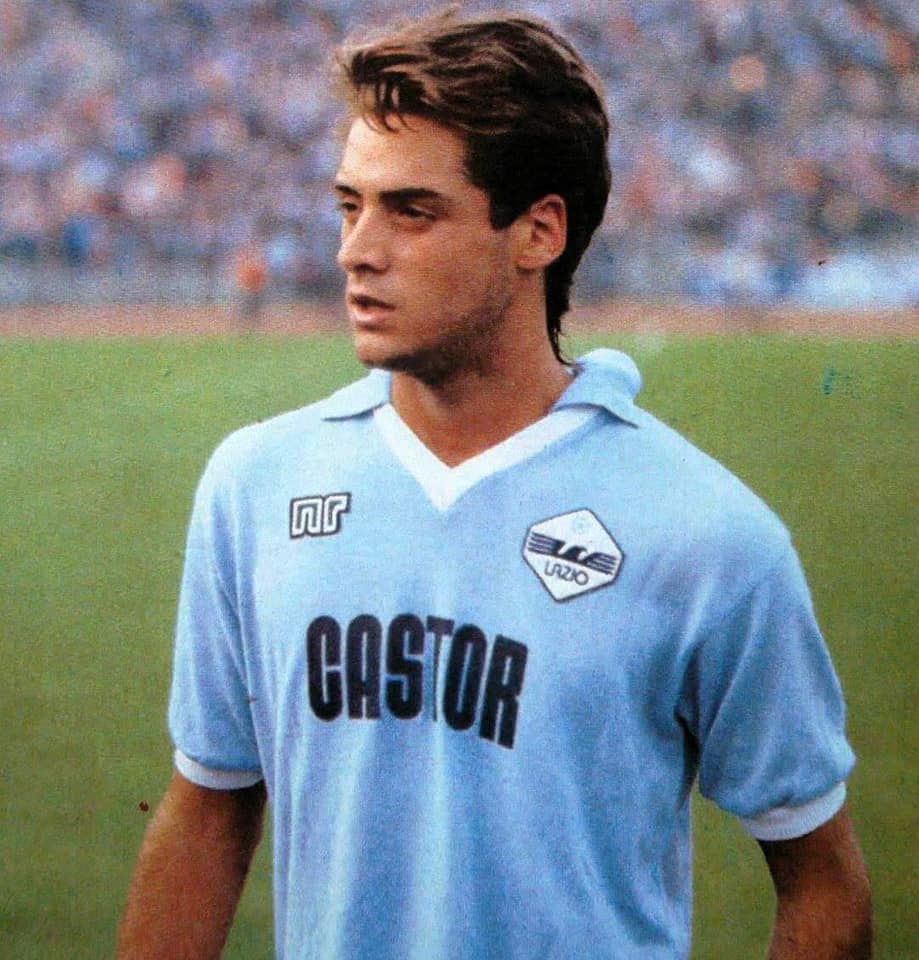
It wasn’t long before the brand had its first success with it being commissioned to to create the strips for Pescara, Nicola’s former club, and then for the Roman giants, Lazio. For the first and last time in their history, 1982 saw Lazio wear all the matches of the Italian Cup and Serie A wearing the so-called:

Maglia bandiera

Despite these huge deals sailing towards the company, the small brand had only just set sail and the manufacturing of the shirts actually began in a small convent where 4 sisters began designing the layout of the iconic strips. It wasn’t long before the other half of Rome donned the unique v-neck, collars and bright colours.

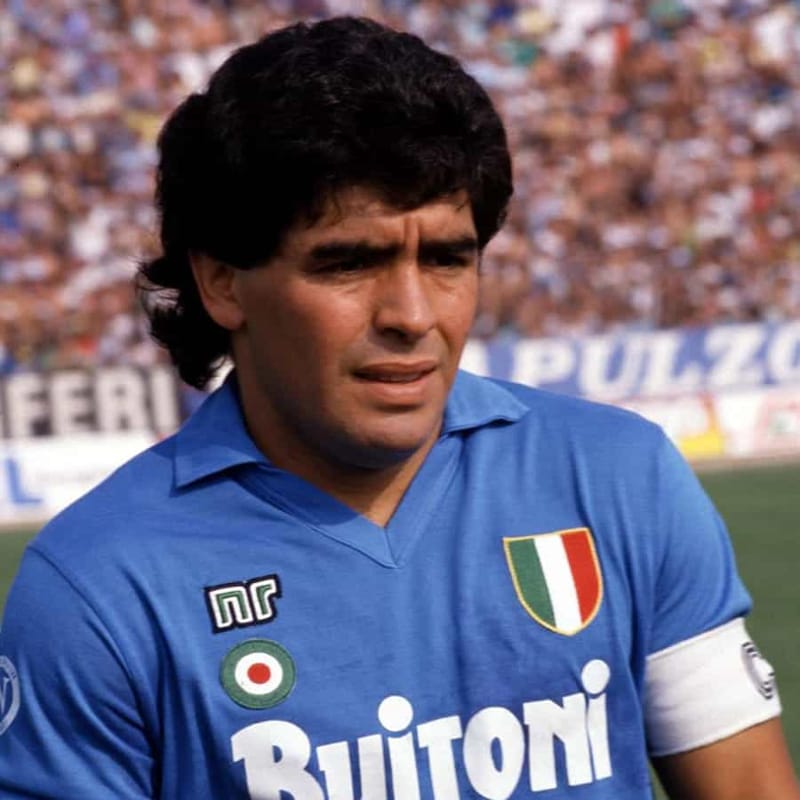
Between the two halves of Rome, The NR logo was lucky enough to be worn by the “Prince” of Roma Giannini as well as the Lazio of Giordano and Manfredonia to name a few. It wasn’t only the capital that jumped on the hype of the brand flooding Italy; Naples welcomed it with open arms. In fact, the player who is most recognisable of all the players who wore it, is of course, the God of Napoli.

The God of Napoli.

Diego Maradona

NR created shirts for Napoli from 1978 and the friendship seemed to last over the years through personal relationships with Maradona and the president of Napoli, Ferlaino. The friendship and Maradona’s love for the company and quality of the products became very obvious as at the time, Maradona and Napoli were using sponsored German brand, Puma for their footballs.

After trying the NR marked balls, he loved them so much he immediately ordered a supply of 50 balls that were used for some games by Napoli as well as for his own use. At the height of its fame,1983, the brand represented the national team despite any logo on the shirt being banned. Instead the belt buckle on the suits that the players wore to and from the ground was used to show the NR logo.

After problems and arguments began arising within the business due to heightened demand and choices to change material to a cheaper, more efficient type; Raccuglia decided to leave the brand which he had so much success with previously.

Soon after leaving, his old brand had failed and the logo began disappearing off the shirts of the top teams in the Calcio A. Nicola created a new, similar brand named “Ennerre” which went on to see a variety of successful teams across Italia wear these shirts including Atalanta and Fiorentina but never matched his previous heights.

It was only until 2017, that Raccuglia gained the rights to his old company and now, along with his son, are producing clothing again with the famous logo on every item. Vintage remakes of famous shirts, most notably Napoli, are selling worldwide with fans eager to remember the nostalgic times of the success that their teams; created by one man with a huge dream.

Felipe Caicedo: The Ecuadorian Expert

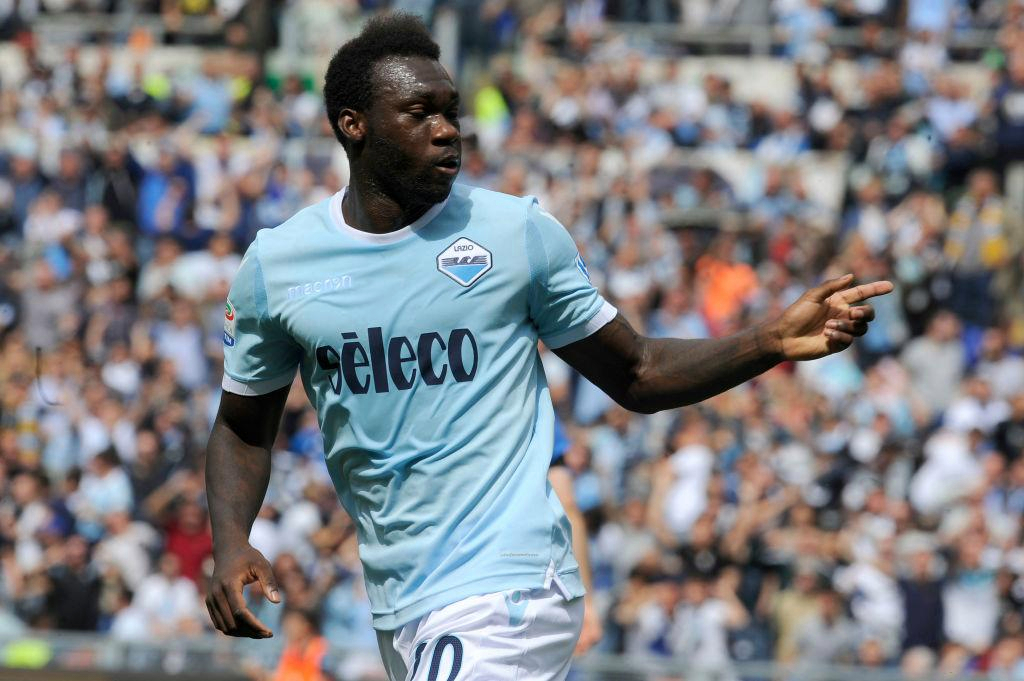
When a 29 year old Felipe Caicedo stepped off the plane from Barcelona based club RCD Espanyol for a fee of €2.5 million, little was expected from the striker. Not merely because he had only achieved an underwhelming 19 goals in 3 years at the club, but also that of the large, looming shadow that any Lazio striker is unfortunately put under; that of Ciro Immobile.

From the moment his feet touched Galilei Airport, Felipe must’ve known playing in a position where such a legendary figure at the club still stands would not be a simple task.

Even from his debut against SPAL where he came off the bench in the 85th minute, his fate was almost set there and then as a Lazio super sub. It didn’t take long for the Ecuadorian to hear his first roar of the Lazio faithful as after coming on as a substitute against Sampdoria, stole the show by stealing the winner in injury time. This last gasp scoring style seemed to stick with Felipe as he is now the player with the most goals after 90 minutes in the history of the Calcio A.

From his debut in the 17/18 season, where he managed only 6 goals in 33 appearances for the Biancocelesti, Caicedo has managed to maintain a slightly unremarkable average goal to game ratio in the seasons that he has worn the famous sky blue shirt.

6 goals in 33 appearances

17/18 Season
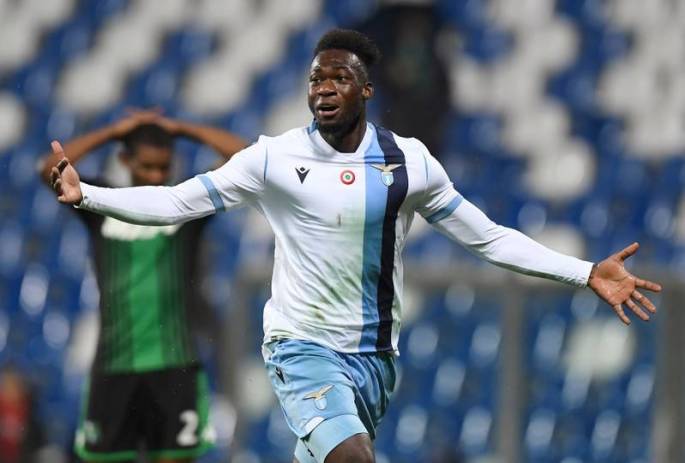
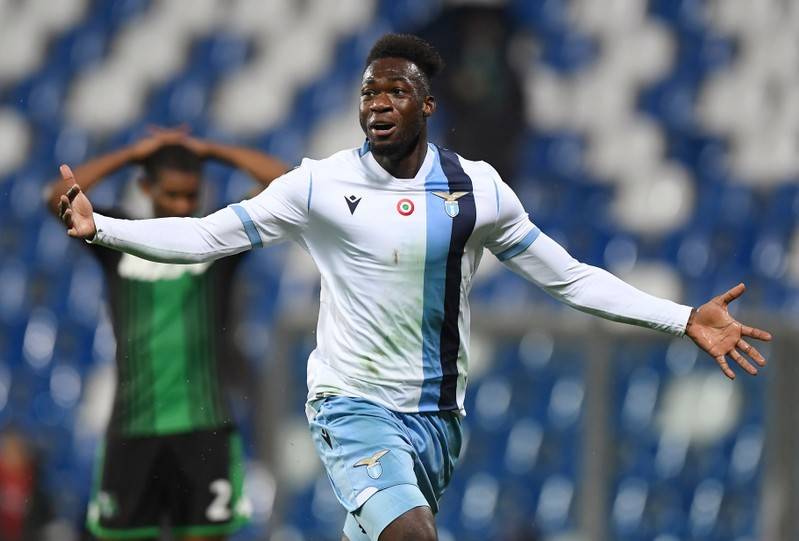
Soccer Football – Serie A – U.S Sassuolo v Lazio – Mapei Stadium – Citta del Tricolore, Reggio Emilia, Italy – November 24, 2019 Lazio’s Felipe Caicedo celebrates scoring their second goal REUTERS/Alberto Lingria

The 18/19 season and 19/20 saw an improvement in his performance despite the striker now reaching his early 30’s. Both seasons saw him collect a 9 goal tally in 38 appearances for his second season and in 33 appearances for his third.

The third season was also somewhat of a milestone as it saw Lazio become the club that Caicedo has played for most in his career; surpassing his 93 appearances for Espanyol.

Although his start to his fourth season at Lazio has been somewhat slow, only netting 3 goals so far, his worth in the team and flickers of football genius are still seen in his game; most notably the most recent clash of Calcio A giants Juventus and Lazio.

It was no surprise Cristiano Ronaldo’s name can be seen on the scoresheet as, per usual, the Portuguese God netted a 15th minute goal for “The Old Lady” which saw them take the lead for almost all of the game. It was only when a 95th minute glimmer of hope, or as Cristiano’s former manager Sir Alex Ferguson would call “Kitchen Sink Time”, saw an assist from fellow South American, Correa, allow Felipe to maintain his super sub status and allow Laziali to steal a point from Champions Juventus as soon as the whistle blew.

Of course, his age and struggle to maintain form may see Felipe struggle to find a place in the team as months and seasons go on, with potential younger signings in the attacking position always a possibility; however being the key player in a match of this multitude will definitely make Inzaghi think twice.

Too early to call Sarriball a failure?

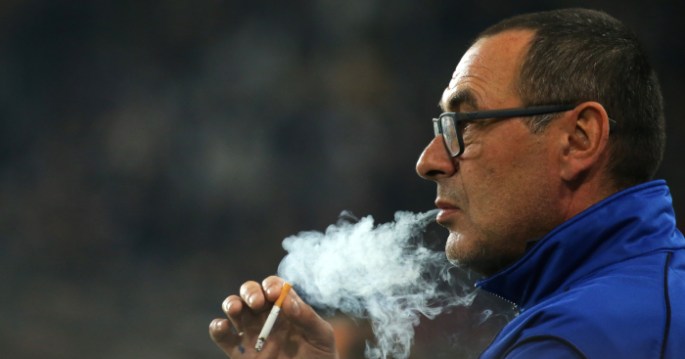
The mood in the away dressing room at the Emirates last night must surely have been one of despair. 4 points from 4 matches for the blues sparked a ferocious attack in Mauricio Sarri’s post-match interview in which he reverted to his mother tongue of Italian to emphasize his fury at Chelsea’s “mentality” and “motivation”.

“I have to say, I’m extremely angry. Very angry indeed” said the incensed manager who has only been coaching the club for just under 5 months. The reasoning for Sarri’s outburst was clear, in the direction of his players.”I want to send a message to my players and I want my message to be very clear”. Chelsea has struggled in finding the back of the net this season but most notably in recent games. They come last in goals scored out of the top six with a mediocre 40 compared to the goals galore side of Manchester city with 62. Much of this has been blamed on £70 million pound flop Alvaro Morata who has yet again had a miserable start to the season only netting 5 goals since September; Many Chelsea fans state they “Don’t even have a striker” and who can argue with them when Alvaro doesn’t even make it to the bench of most games. It is plain to see why he wants out and has been heavily linked with a move back home to Spain to play alongside another ex- Chelsea striker; Diego Costa, who almost every Blues fan will be missing dearly.

Gonzalo Higuain is set to be the man to fill the role of striker at Chelsea and at 31 many critics have questioned if he is past his prime. With only 6 goals this season many will be hoping he reverts back to his record-breaking 15/16 season with 36 goals in 35 games. However many goals he scores for Chelsea, one things for sure and that is that he will be rewarded handsomely with his wage expecting to be in the region of £270,000 per week.

The future of Chelsea’s season is looking extremely unclear but we shall see the true fight of the manager and of the team in the months to come.